Week 2: In COMP II, I learned about the uniqueness of individual’s writing. I learned about how literature, grammar policing, and writing norms has been founded by Western norms. When it comes to discussing people’s own creative mindsets and writing styles, every writing styles are different based on each individual and how they are taught. In EMW, I learned the dark sides of the grading system. For example, I learned that BrightSpace is designed to be a cooperation and a platform where only professors view student’s work. This is why for both COMP II and EMW, these courses are designed for students to write in their own unique ways, critically think, and share their own work with others rather than just an institution.
Week 3: In both COMP II, I continued learning and memorizing the content from the previous classes. I continued learning about the conversation on creative writing, how every individual develops their own thoughts, and how the institution may at times disenfranchise certain people’s thoughts. In addition to that, I began exploring about how AI tends to develop through the work people do, how it regenerates people’s ideas, and how it can come across as inauthentic.
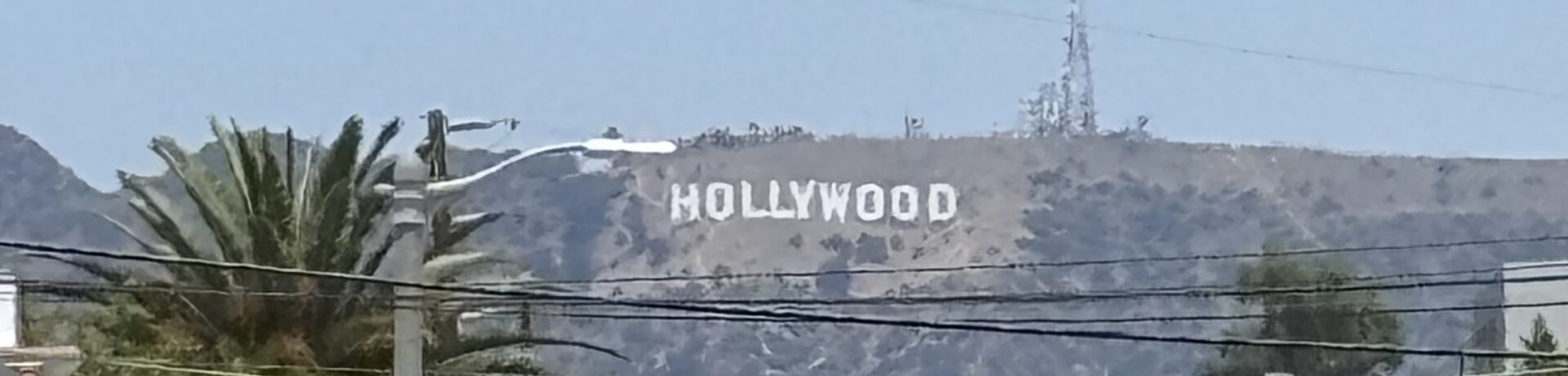
Week 4: In COMP II, I continued getting taught on AI’s work versus people’s work. For example, I read a poem from class and was asked to generate a poem from AI. I generated a poem about the environment in Los Angeles, California. As I developed the poem through AI, I started to interpret and realize that the poem I tried to brainstorm just generates through other people’s ideas which has already been generated through AI, rather than my own thoughts, self-manipulation and creativity. In EMW, I began learning about disability ethnography. For example, I have explored a lot that while there is the ADA Act, there are still institutions on campus which favor non-disabled expectations.
Week 5: There was no class for COMP II. However, for EMW, I learned about the unfairness of ethnography and seeing a cultural area from an ethnographic perspective. Ethnography is suppose to mean seeing a particular culture or environment from a neutral lens, rather than imposing centric values. Unfortunately, ethnography for a very long time has been studied by White, Male, Christian, Straight, Heterosexual, Neurotypical, Able-Bodied, Rich, and Privileged individuals. These ethnographers tend to impose their own centric insights rather than remain culturally competent and mutual with the community they are researching.
Week 6: In COMP II, I have been working on brainstorming and practicing my own writing from my own thoughts. For example, I decided to write about my own personal life as just me brainstorming along with some outside sources. I was free-writing about Autism, LGBTQ+ identities, and used some external sources to back up my own personal experiences and creativity. In EMW, I learned about how to explore neighborhoods from an ethnographic lens and use mapping platforms to share my own ethnographic views on a particular neighborhood.
Week 7: In COMP II, I watched a film which discusses the global crises on HIV/AIDS. Unfortunately, there are so many people around the nation and world who have historically died, suffered severe illnesses, and go through severe emotional and physical pain throughout the HIV/AIDS epidemic. LGBTQ+ individuals especially, along with other marginalized individuals, have been more vulnerable to be neglected proper care, stereotyped, and targeted as perpetrators causing HIV/AIDS. This is what led a historical activist to organize a nationwide and worldwide community to demand that the government would provide people with proper care for HIV/AIDS. In EMW, I presented on my ethnographic project on the Stonewall area. From my own observations, although Stonewall portrays themselves as inclusive, they are not necessarily culturally, socially, or socioeconomically inclusive. The majority of people walking around Stonewall regardless of whether they are LGBTQ+ or are just allies are at least White, socially privileged, middle class to upper class, and come from supportive families. LGBTQ+ individuals and allies who are BIPOC, trans/GNC, do not have must social groups, are poor, lower class, homeless, come from more hostile families, or cultural origins are not seen through an affirming lens as much as privileged individuals. Food, clothing, and merchandise at Stonewall is expensive. The way majority of individuals dress, what they wear, and what they carry are all pricy, especially that Manhattan is expensive. Discussing race, Stonewall back in the 1600s once belonged to the Lenape, individuals who do not have as much modern resources until the Dutch colonized that area and took over. This is why the term “Greenwich Village”, the neighborhood from Stonewall, is named and seen through a European (Dutch) colonization lens.
Week 8: In COMP II, I have been researching for my own essay that I am currently working on. I am researching on how religion perceives the LGBTQ+ community and have a rhetorical question based on how religion can be more supportive to the LGBTQ+ community with backup evidence supporting, opposing, and remaining neutral with my thesis. In EMW, I am learning about worker’s rights and how worker’s rights have historically only benefited those with privilege and power. Migrant workers, regular students, and poor individuals do not earn the same respect and empowerment which assimilated workers, politicians, students who are even Club Presidents or Peer Leaders, and rich individuals receive. I used my own campus as an example regarding how only Club Presidents, Student Government Associations led by students with high GPAs, and Peer Leaders are so well respected and perceived by the institution, unlike how everyday students or regular club members may not be perceived as credible enough. Club Presidents, Student Government Associations led by students with high GPAs, and Peer Leaders are the gatekeepers between the institution and everyday students who want to spread ideas. Sometimes, everyday students do get respected by the institution depending on how they get preceived, but luck does not to every single student.

